
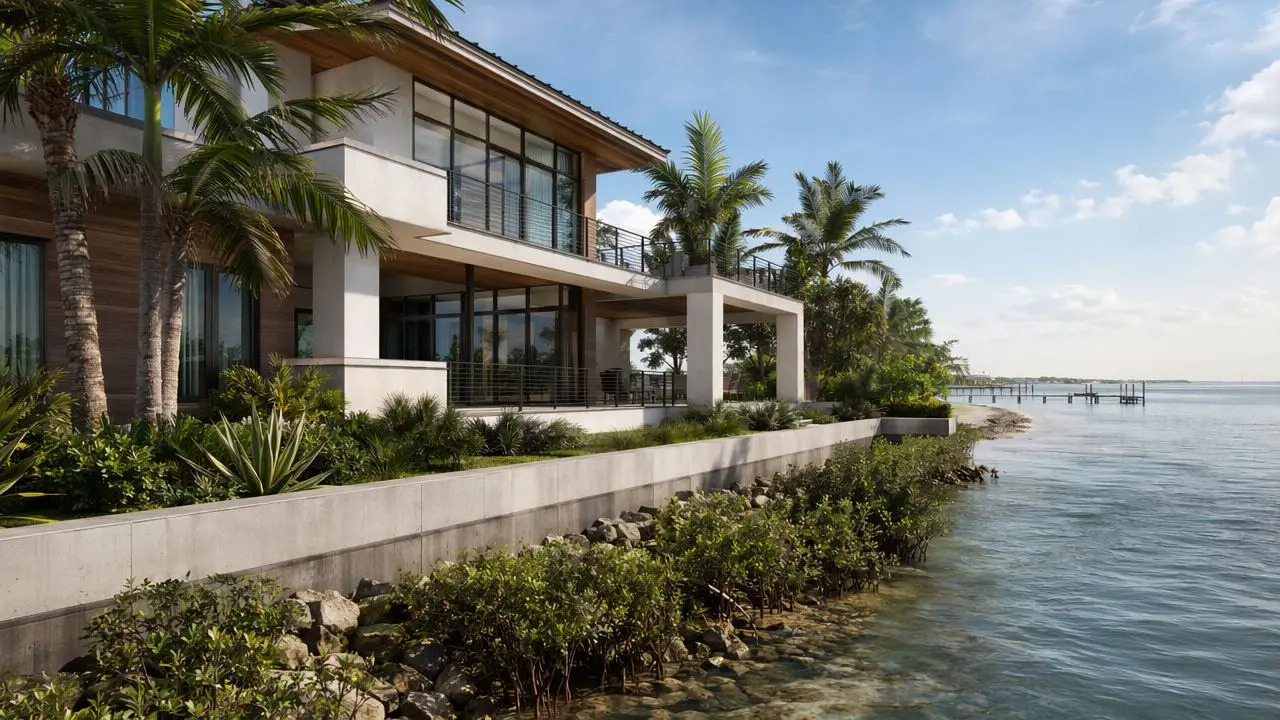
Building in Florida’s New Regulatory Era: How 3D Visualization Solves the "Coastal Resilience" Crisis
By 2026, the Florida real estate landscape has fundamentally shifted. With the full implementation of Senate Bill 302 (SB 302) and updated DEP (Department of Environmental Protection) mandates, the "visual proof" of a building's safety is now as important as the building itself.
For developers from Miami Beach to Naples, the pain is real: How do you convince skeptical planning boards and high-premium insurance carriers that your coastal project is hurricane-proof and ecologically sound?
At Ravelin3D, we don’t just provide pretty pictures; we provide compliance-driven CGI that acts as a bridge between your architectural vision and a signed permit.
The ROI of Resilience: Visualization as a Financial Tool
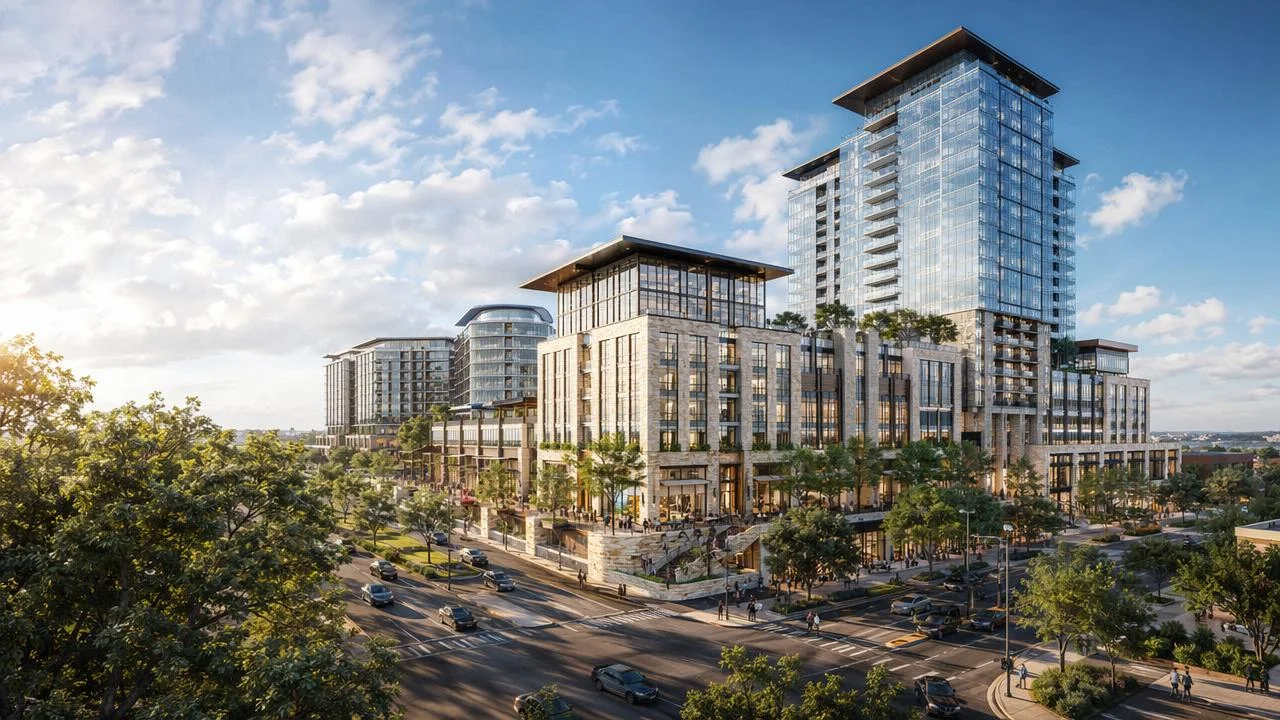
In the current Florida market, a project that looks vulnerable is a project that stays on paper. High-fidelity 3D visualization is now a strategic asset to mitigate two primary risks:
- Permitting Speed: Visually demonstrating "Living Shorelines" and storm-surge buffers to local boards.
- Insurance Negotiations: Providing underwriters with granular visual data on structural resilience features.
Strategic Asset Matrix for Florida Coastal Developers
|
Feature / Pain Point |
3D Visualization Solution |
Impact on Project Success |
|---|---|---|
|
DEP Compliance (SB 302) |
Exterior Visualization showing set-backs & sea-wall integration. |
Faster approval cycles with lower legal friction. |
|
High Insurance Premiums |
Cinematic 3D Walkthrough Videos highlighting hurricane-rated materials. |
Potential for lower "Risk Scores" during underwriting. |
|
Buyer Skepticism |
Interactive 360 Virtual Tours of elevated living spaces. |
Boosts pre-sales by proving safety and lifestyle. |
|
Mechanical Layouts |
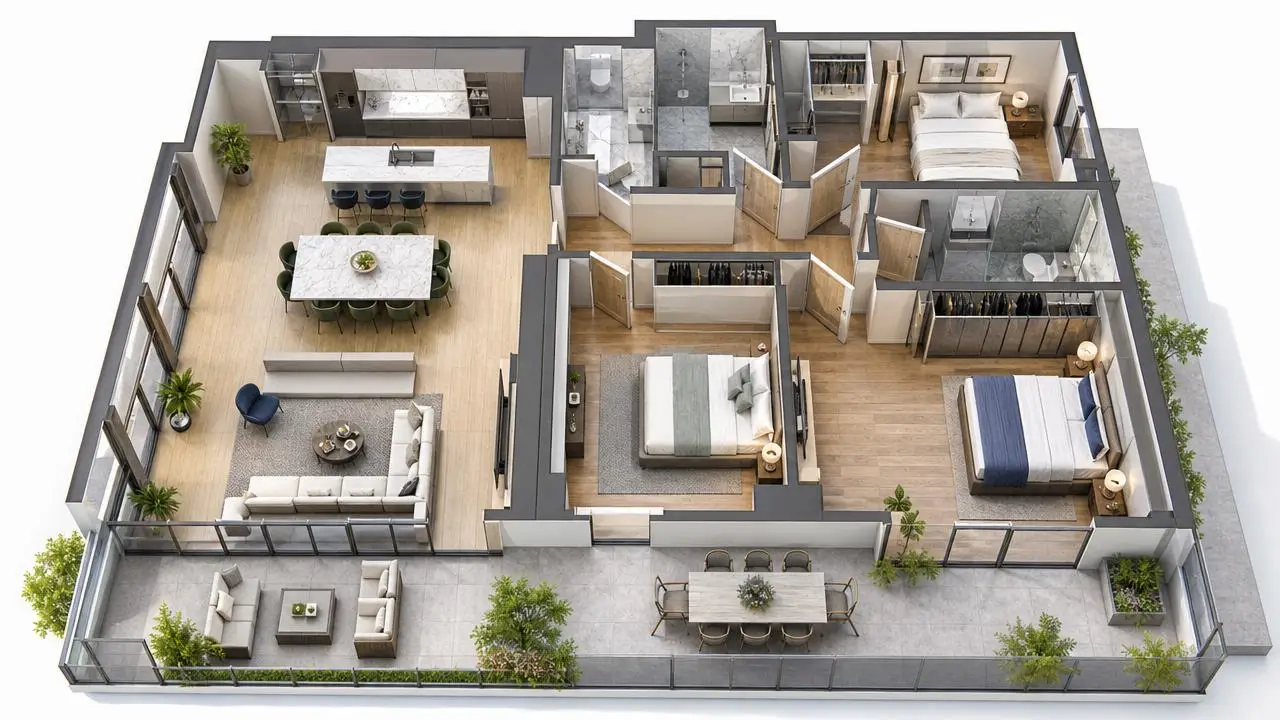
Technical 3D Floor Plans of raised HVAC & electrical systems. |
Clear communication of flood-mitigation strategies. |

Visualizing "The Florida Future": Beyond Luxury
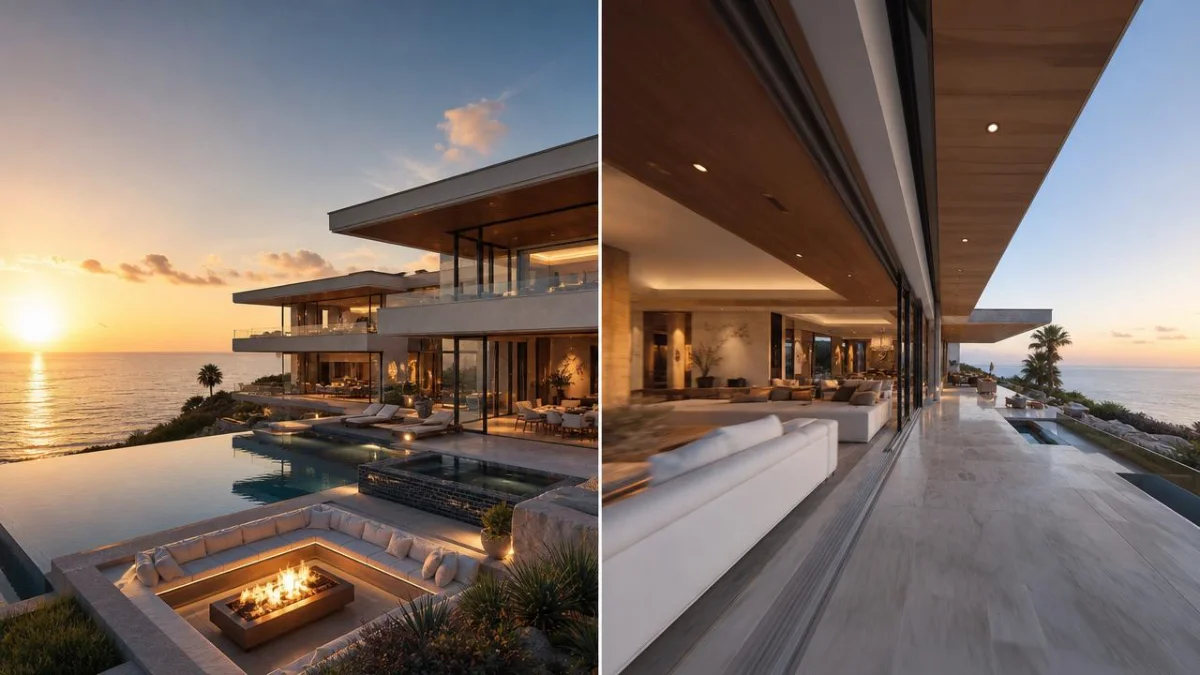
Luxury in Florida 2026 is defined by safety. Our interior visualization doesn't just show high-end finishes; it showcases how interior design integrates with hurricane-impact glass and reinforced structural elements without losing aesthetic appeal.
When you present an exterior design to a South Florida planning committee, our renders highlight:
- Hydrodynamic modeling (Visualized through CGI) showing water flow around the structure.
- Xeriscape landscaping that prevents soil erosion.
- Impact-resistant facades that meet the latest 2026 building codes.

'%3e%3cpath%20d='M23.3971%207.52388C22.0124%2010.1548%2018.9371%2014.2051%2016.3629%2016.8761C13.3954%2020.0856%206.39983%2024.4744%206.39983%2024.4744C5.85983%2024.7578%204.36066%2024.7794%203.94857%2024.3677L2.45719%2022.8802C2.14928%2022.3657%202.01074%2021.769%202.45719%2021.3931L5.44101%2019.1608C5.94593%2018.8196%206.5203%2018.7505%206.93239%2019.1612L8.77101%2020.9938C9.20365%2020.6901%2016.1096%2016.1642%2019.9512%209.93333L18.0687%208.05537C17.6566%207.6447%2017.7267%207.07175%2018.0687%206.56754L20.3066%203.59258C20.7187%203.04266%2021.3866%203.1812%2021.798%203.59258L23.2904%205.0797C23.8751%205.62856%2023.7057%206.90876%2023.3971%207.52388ZM24.5685%204.01742L22.2239%201.6799C21.5772%201.0336%2020.527%201.03396%2019.8796%201.6799L16.3633%206.35565C15.8261%207.14616%2015.7163%208.04758%2016.3629%208.69352L17.7983%2010.1247C16.7342%2011.5498%2015.4572%2013.1046%2014.0194%2014.5382C12.3937%2016.1589%2010.5852%2017.6329%208.95916%2018.8433L7.57196%2017.4611C6.9253%2016.8148%206.02176%2016.9239%205.2277%2017.4611L0.538854%2020.9675C-0.247056%2021.5093%20-0.108866%2022.6595%200.538854%2023.3058L2.8831%2025.6426C4.17853%2026.9345%205.86231%2026.521%207.57196%2025.6426C7.57196%2025.6426%2012.747%2022.7459%2017.1775%2018.3278C21.3451%2014.1715%2024.5685%208.69352%2024.5685%208.69352C25.2403%206.84994%2025.8636%205.30896%2024.5685%204.01742Z'%20fill='%23FFAA00'/%3e%3c/g%3e%3cdefs%3e%3cclipPath%20id='clip0_2729_2176'%3e%3crect%20width='26'%20height='26'%20fill='white'%20transform='translate(0%200.463867)'/%3e%3c/clipPath%3e%3c/defs%3e%3c/svg%3e) +1 (646) 693 0048
+1 (646) 693 0048
 main@ravelin3d.com